
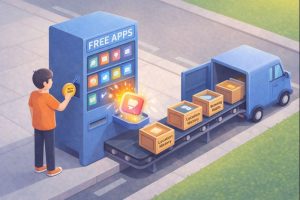
We all love free apps. That handy weather forecast, the addictive puzzle game, or the perfect photo filter, they’re just a tap away without costing a dime. It feels like a modern-day miracle, doesn’t it? But have you ever stopped to wonder how these apps make money if they’re giving everything away for free?
The hidden cost of free apps often isn’t measured in dollars and cents. Instead, it shows up in quieter ways—through the data we share, the ads we see, and the attention we give. When you’re not paying with your wallet, you’re often paying in other ways.
Let’s pull back the curtain together and explore how this works in simple, everyday terms. Think of this as a friendly chat over coffee, not a technical lecture. Understanding this exchange is the first step to using free apps more wisely, so let’s start at the beginning.
How Do Free Apps Actually Make Money?
If you’re not the customer, you might be the product. This familiar saying about free online services often points to a simple reality. App developers still need to pay their teams, run servers, and keep improving their products, so they rely on other business models to stay afloat.
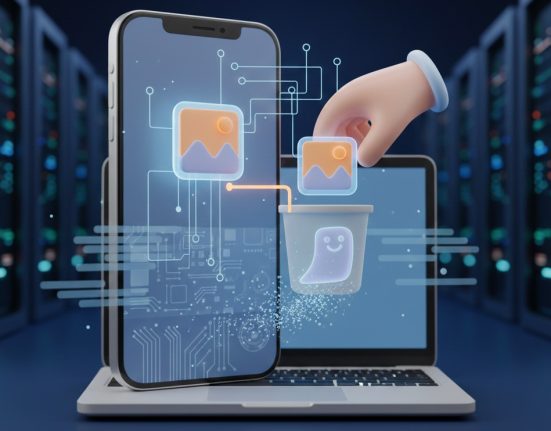
Most free apps make money through advertising, in-app purchases, or by collecting and using certain types of user data to improve services or support ads. It’s a trade-off: you get access to a useful tool, and the company earns revenue from your engagement. This approach isn’t inherently bad, it’s how much of the digital economy works—but understanding it helps users make better choices.
Now, let’s break down each of these models so you can recognize them when you see them in everyday apps.
1. Advertising: you’re the audience
This is the most visible cost. Every banner ad, video ad, and sponsored post you see is paying for your free experience. Developers earn money each time an ad is displayed or clicked.
Example: Your free mobile game shows a 30-second video ad to give you extra lives. The game developer gets a small payment from the advertiser for showing you that ad.
2. In-App Purchases: the free taste
Also called “freemium” models, these apps give you a basic version for free to get you hooked. To unlock the really good features, remove ads, or progress faster, you need to pay.
Example: A language learning app lets you do beginner lessons for free, but charges a monthly subscription for advanced content and offline access.
3. Your data: the invisible currency
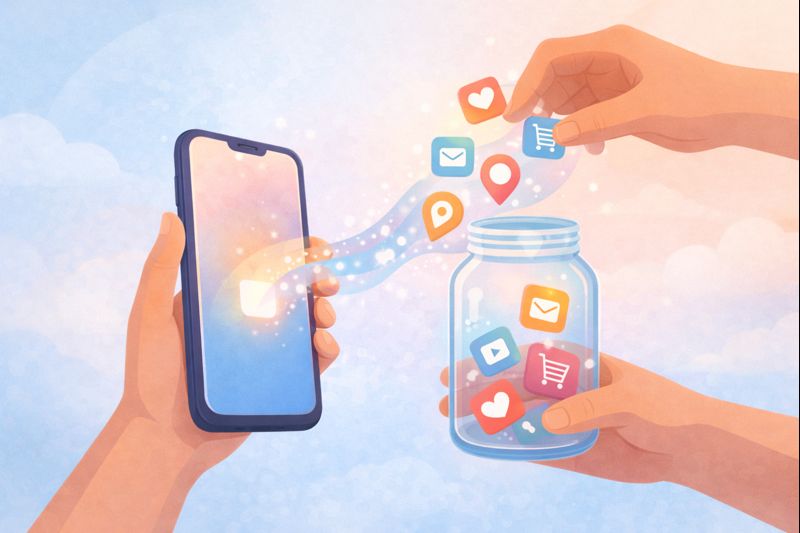
This is the most significant hidden cost of “free” apps. Your data: what you like, where you go, who you talk to, is incredibly valuable. Apps can collect this, analyze it to build a detailed profile of you, and use it to make their ads more targeted (and more valuable) or even sell insights to third parties.
This data-driven model fuels much of the free internet, but it’s the one we see the least. Since it’s so important, let’s dive a little deeper into what this really looks like.

What Data Are We Talking About, Exactly?
It’s easy to think “data” is just your email address. It’s so much more. Apps can collect a startling amount of information, often with your permission buried in lengthy Terms & Conditions we all agree to but rarely read.
Common types of data collection include:
- Personal Info: Your name, email, age, and sometimes even your contact list.
- Usage Habits: What features you use, how long you spend on the app, what you click on.
- Device Information: Your phone model, operating system, and unique advertising ID.
- Location Data: Many apps track where you go, building a history of your daily routines.
- Cross-App Tracking: Your activity across different apps and websites can be pieced together to form a complete picture of your interests.
This isn’t just theory. Reports from privacy researchers and regulators have highlighted real-world issues. For instance, a 2022 report by the Norwegian Consumer Council, “Out of Control,” detailed how popular dating apps were sharing precise user location data and sexual orientation with potentially hundreds of third-party advertising companies. This kind of sharing can create real privacy and safety risks.
It sounds overwhelming, but knowledge is power. So, what are the real-world impacts of all this data collection?
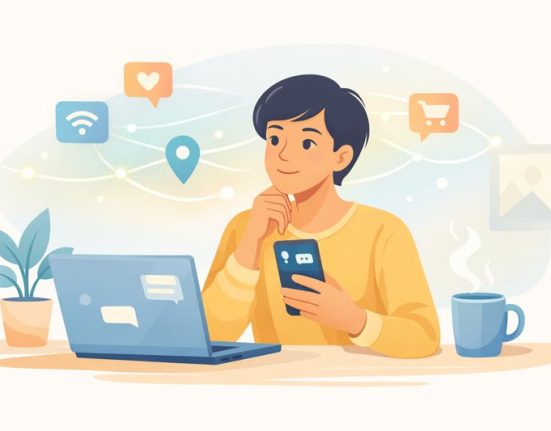
Why Your Feed Looks the Way It Does — and How Your Behavior Shapes It
The Real-World Impact on You
You might think, “I have nothing to hide,” and that’s completely fair. But the hidden costs of free apps can show up in subtle, everyday ways that affect your digital life.
Your Privacy Erodes: A detailed profile of you exists somewhere in the digital ether. This profile can be used in ways you didn’t anticipate and can be vulnerable if a company has a data breach.
You Experience Manipulation: Ever notice how a product you searched for on your laptop suddenly appears in an ad on your phone? That’s targeted advertising. It’s designed to influence your purchases and decisions based on your data.
Your Phone Slows Down: Aggressive ads and background data collection can drain your battery and use up your monthly mobile data allowance.
It Can Affect Your Mood: Constant ad interruptions and designs that keep you endlessly scrolling (to see more ads) can increase stress and reduce your focus.
The goal here isn’t to scare you off the internet, but to make you more mindful. Now for the good news: you have more control than you think.
Taking Back Control: Simple Steps for Safety
You don’t need to be a tech expert to protect yourself. Just like locking your front door, a few simple habits can make a big difference. Let’s walk through some easy steps.
Step 1: Be a permission detective
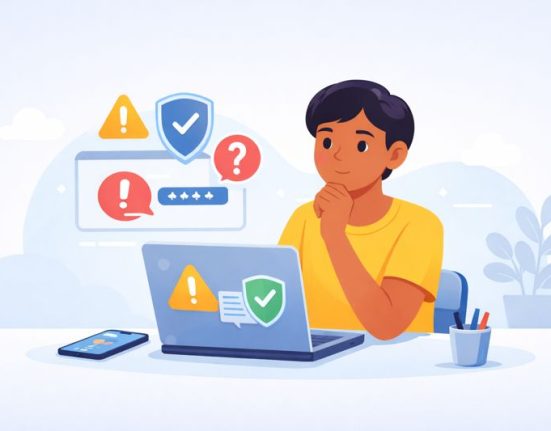
When you install an app, your phone will ask if it can access things like your location, photos, or contacts. Pause and ask “Why?” Does a simple flashlight app really need your location? Probably not. Choose “Don’t Allow” or “Only While Using the App” whenever possible.
Step 2: Control device’s built-in settings
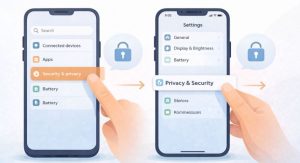
Both Ios and Android have built-in privacy dashboards. On an iPhone, go to Settings > Privacy & Security. On an Android, go to Settings > Security and Privacy. Here, you can see which apps have what permissions and revoke access. You can also find options to limit ad tracking.
Step 3: Read reviews, not Just the rating
Before downloading an app, scroll through recent user reviews. People often share their experience with app. Look for patterns in the feedback.
Step 4: Consider the paid version
If you truly love and use an app daily, consider buying the ad-free version or a subscription. You’re directly supporting the developers and turning yourself from the product back into a valued customer.
Step 5: Clean house regularly
Go through your phone every few months and delete apps you no longer use. This stops their background data collection and frees up space. It’s a digital spring cleaning!
These steps aren’t about achieving perfect privacy, but about making conscious choices. To wrap things up, let’s address some of the most common questions that might be on your mind.

Are Smart Devices Listening to You? What the Evidence Shows and How to Protect Your Privacy
Your Questions, Answered (FAQ)
Q1: Are all free apps bad and unsafe?
A: Not at all! Many are legitimate and offer a “freemium” model or use ads respectfully. The key is to be aware and check their privacy practices.
Q2: What’s the safest way to log into apps?
A: When given the option, use “Sign in with Apple” or “Sign in with Google” instead of creating a new password. This often shares less personal data with the app itself.
Q3: Should I just avoid all free apps?
A: That’s not practical. Instead, be selective. Download from official stores (Apple App Store, Google Play), stick to well-known developers when you can, and use the privacy tips above.
Q4: Is my data really that valuable?
A: Yes. Advertisers pay a premium to show your ad to the right person (you) at the right time. Your aggregated data is what makes that targeting possible.
Q5: What’s the one quickest thing I can do right now?
A: Head to your phone’s settings and review location permissions. Turn off location access for any app that doesn’t absolutely need it to function.
Conclusion
So, are free apps really free? As we’ve seen, the answer is nuanced. They’re free of monetary cost, but they often operate on an exchange: your attention and data for their service. The hidden cost of “free” apps is real, but it doesn’t have to be scary.
The goal isn’t to inspire fear, but to foster awareness. By understanding this digital trade, you can move from being a passive user to an informed one. You can choose which apps are worth the exchange and which ones ask for too much. You have the tools to lock down your privacy settings and make smarter choices about what gets access to your digital life.
Start small. Pick one tip from this article—maybe checking those app permissions tonight—and take that first step. Your privacy and your attention are precious; they’re worth protecting.