
Why online scams catch so many beginners
If you are new to using the internet regularly, it can feel like a friendly and helpful place. You search for information, chat with people, shop online, and sign up for services—all from your phone or laptop. But sometimes, things are not as honest as they seem.
Imagine this: you receive a message saying you have won a prize, or an email that looks like it came from a company you trust. The message sounds urgent and asks you to click a link or share some details. As a beginner, it’s easy to believe it’s real. Many people only realize it was a scam after something goes wrong.
Online scams are not about intelligence—they are about tricking people. Scammers rely on confusion, urgency, and trust. This article explains the most common online scams beginners should know, using simple language and real-life examples, so you can recognize warning signs early and stay safe online.
What is an online scam?
An online scam is when someone uses the internet to deceive people into giving away personal information, money, or access to their accounts. Scams often appear harmless at first and may look like normal messages, emails, or offers.
Scammers may pretend to be:
- A company you recognize
- A friend or family member
- A school, bank, or service provider
Their goal is usually to get something from you without your knowledge or consent.
Why beginners are often targeted
Beginners are more likely to trust messages that look official or friendly. Scammers know this and design their messages to look familiar and convincing.
Common reasons beginners are targeted include:
- Less experience spotting fake messages
- Not knowing how real companies communicate
- Feeling pressured to respond quickly
Understanding common scam patterns makes it much easier to avoid them.
How to secure your online accounts: A Beginner’s Guide
1: Fake Prize or Giveaway Messages
How this scam works
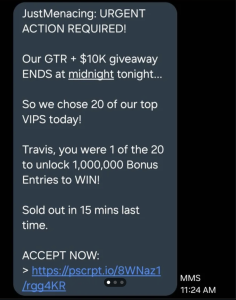
You receive a message saying you have won a prize, scholarship, phone, or cash reward. To claim it, you are asked to click a link, provide details, or pay a small “processing fee.”
Example a beginner might recognize
You see a message that says:
“Congratulations! You have been selected as today’s winner. Click here to claim your reward before it expires.”
Why it’s a scam
Legitimate companies do not randomly give prizes to people who did not enter a contest. Asking for payment or personal details is a major warning sign.
What to do instead
- Do not click the link
- Do not reply to the message
- Delete or report it

2: Phishing Emails and Messages
What is phishing?
Phishing is when scammers pretend to be trusted organizations to steal login details, passwords, or personal information.
Common phishing signs
- Messages that create panic or urgency
- Requests for passwords or verification codes
- Links that look official but are slightly misspelled
Example
An email says:
“Your account has been suspended. Please log in immediately to restore access.”
The link leads to a fake login page.
Safe habit
Instead of clicking links in messages, open your browser and go directly to the official website.
3: Fake Job Offers
How this scam works
You receive a job offer that sounds easy and pays well, often without an interview. The scammer may ask for personal information or request a fee for “registration” or “training.”
Example
“Work from home and earn money daily. No experience needed. Limited slots available.”
Why beginners fall for it
Students and job seekers are often eager for opportunities, making these offers tempting.
How to stay safe
- Be cautious of jobs that promise fast money
- Never pay to get a job
- Research the company carefully
4: Impersonation of Friends or Family
What happens in this scam
Scammers pretend to be someone you know by hacking accounts or copying profile pictures. They then send messages asking for help or money.
Example
A message says:
“Hi, I lost my phone and need urgent help. Can you send money quickly?”
What to do
- Verify by calling the person directly
- Ask a question only they would know
- Do not rush to send money
5: Online Shopping Scams
How shopping scams work
Fake websites or sellers advertise products at extremely low prices. After payment, the item never arrives—or arrives very different from what was promised.
Beginner example
You see a popular item at half the usual price and decide to buy quickly before the offer ends.
Warning signs
- Prices that seem too good to be true
- No clear contact details
- Poor website design or spelling errors
Safer shopping tips
- Buy from known platforms
- Read reviews carefully
- Avoid rushing into purchases
6: Romance and Friendship Scams
How these scams start
Someone you meet online becomes very friendly very quickly. Over time, they may ask for money, gifts, or personal information.
Example
A new online friend shares emotional stories and later asks for help with an emergency.
Important reminder
Genuine relationships take time and do not involve repeated requests for money.
Simple Habits That Help You Avoid Most Scams
- Take your time before responding
- Be cautious of urgent messages
- Do not share passwords or codes
- Verify requests through another method
- Trust your instincts
If something feels off, it usually is.
Conclusion
Online scams are common, but they are also predictable once you know the signs. Scammers rely on urgency, trust, and confusion to succeed. By slowing down, asking questions, and avoiding rushed decisions, you can protect yourself.
Key takeaways:
- Be cautious with unexpected messages
- Avoid clicking unknown links
- Do not send money or information quickly
- Verify offers and requests independently
The internet can be a helpful and enjoyable place when used wisely. Learning about common scams is one of the best ways to build confidence and stay safe online.
FAQ Section
1. What is the most common online scam?
Phishing messages pretending to be trusted companies are among the most common online scams.
2. Why do scammers target beginners?
Beginners may be less familiar with scam warning signs and more likely to trust messages that look official.
3. Are all unexpected messages scams?
Not all, but unexpected messages asking for urgent action or personal details should be treated with caution.
4. What should I do if I think I was scammed?
Stop responding immediately, secure your accounts, and report the incident to the platform involved.
5. Can scams happen on social media?
Yes. Many scams start through social media messages, fake profiles, or copied accounts.