

Why Balancing Tech and Life Matters
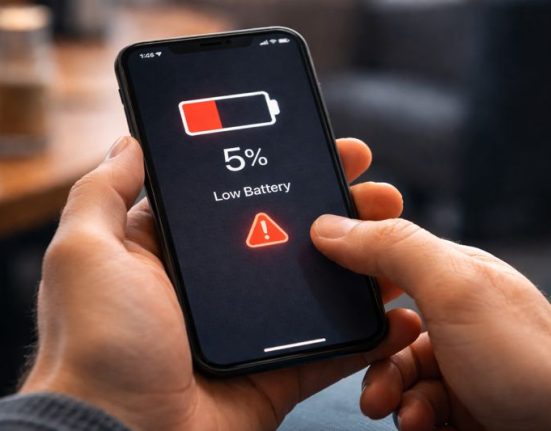
Technology makes life easier in many ways. We use our phones to chat with friends, attend classes, watch videos, read news, and even relax. But sometimes, without noticing, technology starts to take up more space than we want. Hours pass scrolling through social media, replying to messages, or switching between apps, suddenly the day feels gone.
Many beginners think balancing tech and life means giving up devices completely. That’s not true. Technology is not the enemy. The real goal is learning how to use it without letting it control your time, focus, or well-being.
For example, a student might plan to study for one hour but end up spending most of that time checking notifications. Or someone might intend to sleep early but stay awake watching videos late into the night. These situations are common, they happen to almost everyone.
This guide explains, in simple language, how to create a healthier balance between technology and everyday life.
What Does “Balancing Tech and Life” Really Mean?
Balancing tech and life means using technology in a way that supports your goals, relationships, and others rather than replacing them.
It does not mean:
- Avoiding phones completely
- Being online only for “important” things
- Feeling bad every time you use social media
Instead, it means:
- Being aware of how much time you spend online
- Choosing when and how you use devices
- Making space for offline activities
Balance looks different for everyone, and that’s okay.
Why It’s Easy to Lose Balance With Technology
Technology is designed to keep attention
Many apps are designed to encourage frequent use. Notifications, auto-play videos, and endless scrolling make it easy to stay online longer than planned.
Phones are always nearby
Unlike older technologies, smartphones are with us almost all the time even when on the bed, at the table, in class, and even during conversations.
Online and offline life feel connected
School work, communication, and entertainment often happen on the same device, making it harder to know when to stop.
Understanding this helps you be kinder to yourself while making changes.
How to secure your online accounts: A Beginner’s Guide
Now that we understand why tech can take over, let’s explore small steps you can take.
Step 1: Notice How You Actually Use Technology
Why awareness comes first
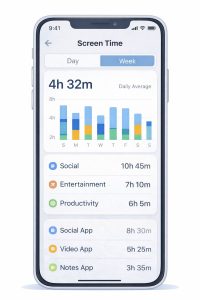
Before changing habits, it helps to understand them. Many people underestimate how much time they spend on their phones.
Simple ways to check
Look at your phone’s screen time report
Notice which apps you open most often
Pay attention to when you reach for your phone
Beginner example
You might think you use social media “a little,” but checking screen time shows it’s several hours a day. This awareness is not for blame, it’s for clarity.

Step 2: Decide What You Want Technology to Do for You
Ask yourself simple questions
- Do I want tech mainly for learning, communication, or entertainment?
- Which apps actually help me?
- Which ones mostly waste time?
Small reflection example
If you’re a student, you may want technology to support studying and staying connected but not to distract you during lessons or sleep time. Clear intentions make balance easier.
Step 3: Set Gentle Boundaries (Not Strict Rules)
Why gentle boundaries work better
Strict rules often feel stressful and are harder to keep. Gentle boundaries are more realistic and flexible.
Examples of simple boundaries
- No phone during meals
- No social media during study time
- Phone away 30 minutes before sleep
These boundaries are not punishments—they are tools.
Step 4: Create Tech-Free Moments in Your Day
Why tech-free time matters
Spending some time offline helps your mind rest and improves focus.
Easy tech-free moments
- Morning routine without checking your phone
- Short walks without devices
- Conversations without phone interruptions
Example
Even 20 minutes a day without screens can feel refreshing and help you reconnect with your surroundings.
Step 5: Use Technology More Intentionally
Shift from “automatic” to “intentional” use
Automatic use happens when you open apps without thinking. Intentional use means having a reason before you open an app.
Try this habit
Before opening an app, ask:
“Why am I opening this right now?”
If there’s no clear reason, consider waiting.
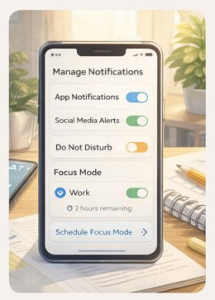
Step 6: Manage Notifications Instead of Letting Them Manage You
Why notifications affect balance
Notifications pull attention away from what you’re doing, even if you don’t respond immediately.
Simple notification tips
- Turn off non-essential notifications
- Keep alerts only for important apps
- Use “Do Not Disturb” during focus time
Example
You don’t need instant alerts for every app. Messages from close contacts may matter more than game or social media alerts.

Step 7: Make Offline Activities Part of Your Routine
Why offline activities help balance
Offline activities remind you that enjoyment and relaxation don’t depend on screens.
Easy offline ideas
- Reading a physical book
- Exercise or stretching
- Talking with friends or family
- Writing or journaling
These activities don’t have to replace technology, they simply balance it.
Step 8: Use Technology to Support Balance, Not Break It
Technology itself can support healthier habits when used wisely.
Helpful examples
- Screen time reminders
- Focus or timer apps
- Calendar scheduling for breaks
The goal is to use tools that encourage mindful use, not constant engagement.
Conclusion
Balancing technology and life is not about perfection. It’s about awareness, choice, and small adjustments that fit your lifestyle.
Key takeaways:
- Notice how you use technology
- Decide what role tech should play in your life
- Set gentle boundaries, not strict rules
- Create regular tech-free moments
- Use technology intentionally
- Protect focus and rest
Start small. Even one change like turning off unnecessary notifications or setting aside tech-free time can make a meaningful difference over time.
FAQ Section
1. Why is it hard to balance technology and life?
Technology is designed to keep attention, making it easy to use more than planned.
2. Do I need to stop using my phone to have balance?
No. Balance means mindful use, not avoiding technology completely.
3. How much screen time is too much?
It depends on your goals and responsibilities, not a fixed number.
4. Can technology help improve balance?
Yes. Tools like screen reminders and focus modes can support healthier habits.
5. What’s the easiest step to start with?
Becoming aware of how you currently use technology is the best first step.